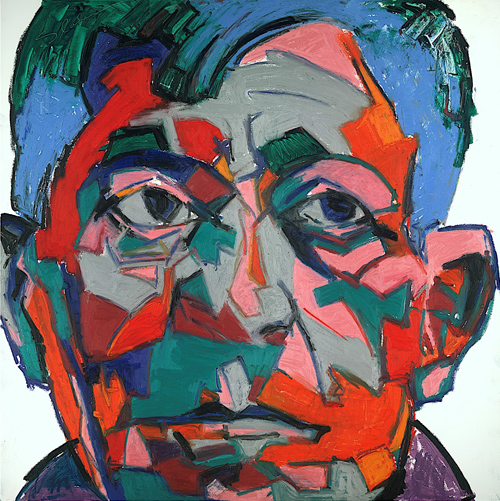
I know, I know: I just had an exhibit at the Ford of my most recent work, but this is different. Half of the paintings in that show have run off to new homes, and gallery space formerly graced by the work of other artists was offered to me. . .

I know, I know: I just had an exhibit at the Ford of my most recent work, but this is different. Half of the paintings in that show have run off to new homes, and gallery space formerly graced by the work of other artists was offered to me. . .
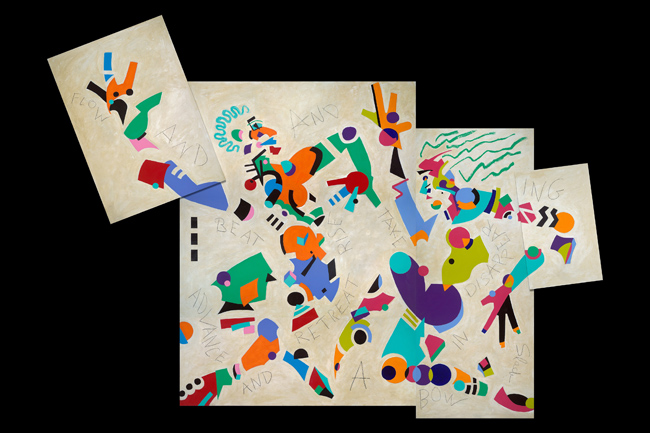
My show at The Ford Gallery of Art opens this Saturday. I will be showing this painting, “flow and beat, advance and retreat, rise and take a bow in disappearing,” along with a selection of other work from the last few years. . .

I crave beauty. The fragrance of a heritage rose. The cry of a newborn. The reflection of late afternoon sunlight on the underside of breeze-bounced cottonwood leaves.
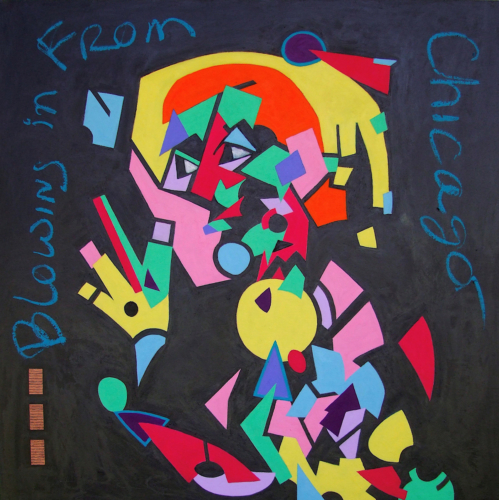
When this painting was little more than a colored sketch, she and I were listening in my studio to KMHD Radio play tracks from the 1957 Blue Note album, “Blowing in from Chicago.” The painting liked the music and chose it as her name (paintings do that kind of thing).
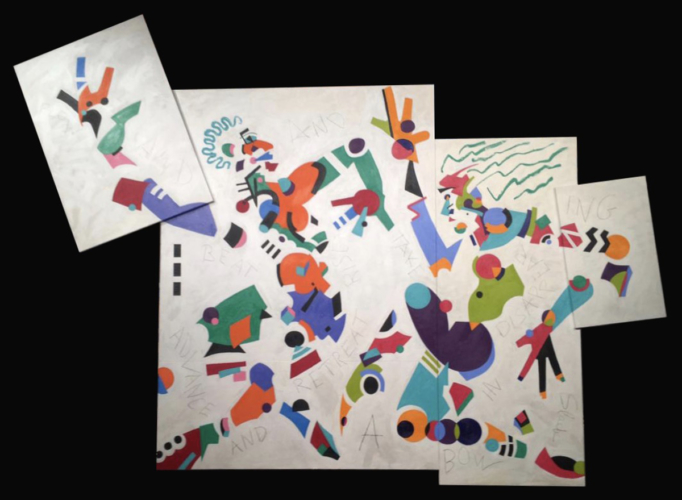
Flow and Beat, Advance and Retreat, Rise and Take a Bow in Disappearing. That is how Langston Hughes described the pulsating rhythm of James Baldwin’s prose, and it became the goal for my most recent painting, a sprawling five-panel pas de deux.
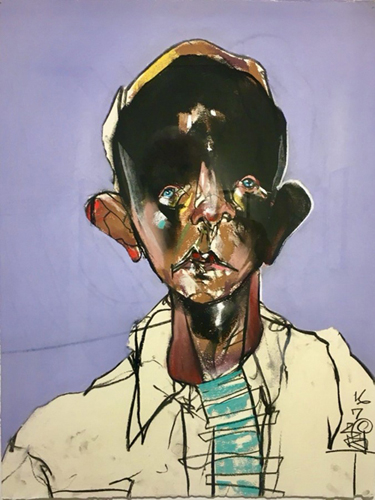
Self-portraits seldom portray contentment or joy. We see an artist glancing in a mirror as it captures the doubt and intensity of the act of creation. It is as if the creator and their reflection are each an expression of the other’s anxieties—yet they are the same person.
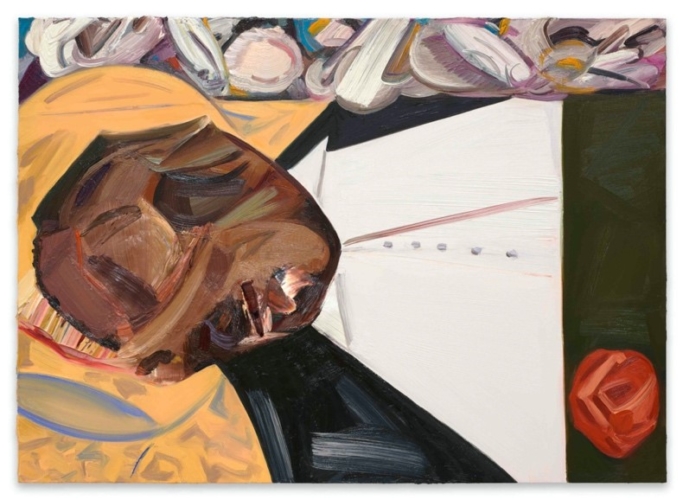
In 1955, Emmett Till, a 14-year-old Black youth, was tortured and murdered by two white men in Mississippi. The crime galvanized the Civil Rights Movement at a critical moment: Rosa Parks had Till on her mind when she refused to move to the back of the bus. A photograph of the young man’s mutilated body in his casket became an icon for Black Americans.

Join me for a stroll through a minefield: What do Chuck Close, Michael Jackson, Robert E. Lee, T.S. Eliot, Joseph Stalin, Christopher Columbus and the Taliban have in common? Answer: They have each been on one end or the other (sometimes both) of calls for the destruction or erasure of art.
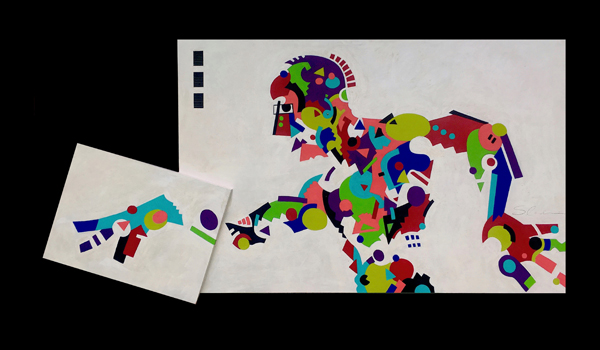
This painting was named by a text message. While working on the initial drawing, I received a NOAA alert that the Upper Nehalem River behind my studio was approaching flood stage. This is a fairly common winter event but still always worth grabbing a hat and venturing out to the edge of the bank to watch the rushing water.

That pretty much sums up my goal making art—and the reason so much ends up erased. Not just by me. Many artists destroy more work than they keep. When the English artist Francis Bacon died, his studio contained over 100 canvases he had slashed with a knife. Why? My guess is that they bored him.